The "Zero-Delay" Jobsite: How AI Eliminates Downtime Between Trades
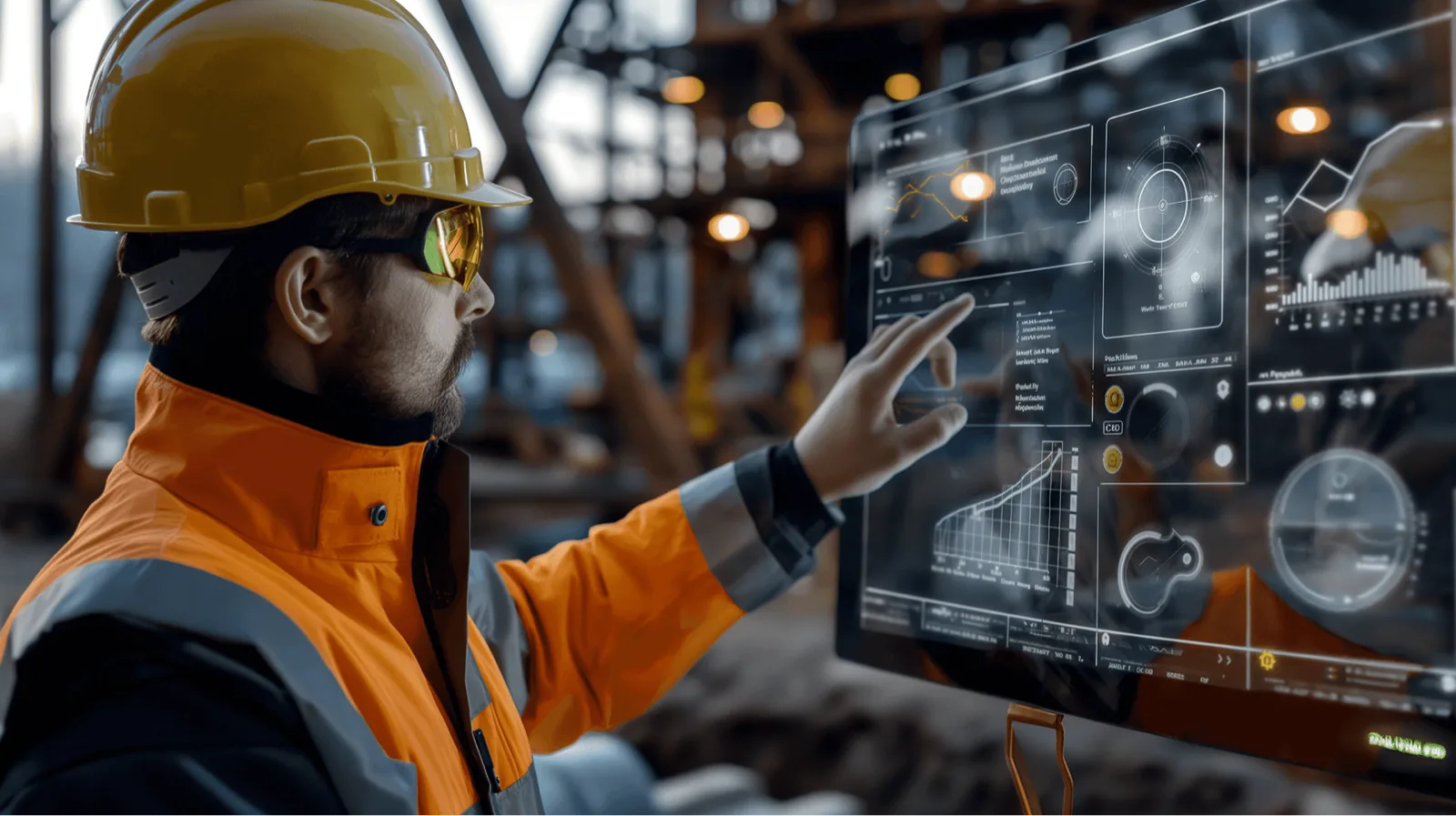
But using AI in construction is now changing this pattern. With the right AI-powered voice assistants and documentation tools, contractors are creating what many now call the zero-delay jobsite.
Defining the "Zero-Delay" Jobsite
The Concept of Just-in-Time (JIT) Construction
Manufacturing figured this out decades ago. JIT production minimizes inventory sitting idle by synchronizing each step of the assembly line. The same principle applies directly to construction. JIT construction means synchronizing trades so that when electricians finish rough-in, the insulation crew arrives that same afternoon. Physical and temporal friction between trades drops to nearly zero.
From Reactive to Proactive
Most jobsite management still operates reactively. Superintendents check progress, discover a phase is complete, and then scramble to notify the next trade. This "checking progress" approach builds delays into the system by design.
The shift to proactive management means knowing about completion the moment it happens. When your AI construction tools capture real-time updates from the field, you can communicate with the next trade immediately. Faster handover communication keeps trades moving without unnecessary gaps.
The High Cost of the "Stall": Why Construction Timelines Fail
The Hidden Drain on Margins
How much does idle time actually cost your project? Consider a mid-sized commercial project with eight subcontractors. If each handover creates just one day of delay, that adds eight days to the schedule. Multiply that by general conditions costs, equipment rentals, and carrying costs on construction loans.
The benefits of AI in construction become clear when you quantify these losses. Construction downtime elimination through better communication directly improves your bottom line.
The Communication Gap
Phone calls, emails, and text threads all rarely provide real-time clarity about site conditions. A virtual assistant for HVAC businesses or any trade needs instant access to the current project status, not yesterday's update buried in someone's inbox.
This communication gap creates subcontractor alignment problems. When trades operate on different information, conflicts arise. These preventable issues stem from information lag between the field and the office.
Data Asymmetry
The lag between "work finished" and "work reported" creates a domino effect. A framing crew completes its scope at 2 p.m., but the superintendent doesn't log it until the next morning's report. The electrical contractor, waiting for confirmation, has already assigned their crew to another job.
This baseline schedule drift compounds over time. Two-week lookahead schedules and Critical Path Method optimization fall apart when the data feeding them arrives late.
How AI in Trades is Transforming Jobsite Coordination
What "AI in Trades" Means for Construction Projects
So, how is AI used in construction to solve these problems? AI construction management platforms process field data in real time, turning voice updates and photo documentation into structured information that flows instantly between stakeholders. This real-time field reporting closes the gap between work completion and work documentation.
Using AI in construction enables faster communication across your entire project team. Construction scheduling tools work better when fed accurate, timely information from the field. Job scheduling software for contractors becomes far more reliable when the data it depends on arrives without delay.
Key Features of AI-Powered Jobsite Tools
Modern AI construction software includes several capabilities that support smoother, faster trade handovers:
- Voice-based task creation: Workers speak naturally to create and assign tasks, complete with deadlines, photos, and location tags pinned to plans.
- Real-time status updates: Task completion syncs instantly between the field and office.
- Centralized documentation: All project updates, photos, and reports live in one place.
- Field-to-office synchronization: Updates from the field appear instantly on web dashboards without manual data re-entry.
These AI tools for scheduling coordination reduce the manual communication burden that slows traditional project management. AI voice assistants for electricians, best AI tools for plumbers, and other trade-specific solutions capture updates hands-free while workers stay focused on their tasks.
Benefits of a Zero-Delay Jobsite
1. Increased Productivity and Reduced Idle Time
When using AI in construction for documentation and communication, information about completed work reaches the right people faster. The next trade can mobilize sooner because they know the site is ready.
2. Improved Communication and Coordination Between Trades
AI construction trade coordination breaks down the silos between subcontractors. Everyone operates from the same information. AI agents for roofers and AI voice assistance for painters connect these trades to a shared project record. Issues get documented with photos and context so they can be resolved without back-and-forth phone calls.
3. Cost Savings and ROI for Contractors
The benefits of AI in construction translate directly to financial performance. Shorter project durations mean lower general conditions costs. Better documentation means stronger positions in dispute resolution. Contractors who eliminate even a few days of delay per project through faster communication generate significant annual savings.
4. Safer, More Organized Worksites
When trades overlap unexpectedly or materials pile up waiting for delayed crews, risks increase. Better coordination through real-time documentation keeps work flowing smoothly, which keeps sites cleaner and safer for everyone.
Benetics AI: Your Engine for Seamless Trade Coordination
The Voice-to-Data Pipeline
Benetics AI captures site data through voice commands, making documentation significantly faster than manual entry. Workers speak their updates naturally in various languages, and the system transcribes, contextualizes into useful sentences, organizes, and files everything automatically. This speed matters because it closes the information lag that causes costly handover delays.
An AI assistant for carpenters or any trade can log completion status, flag issues, and document work without stopping to type notes. The voice-to-data pipeline keeps information flowing in real time, giving your job scheduling software for contractors and AI tools for scheduling the accurate inputs they need.
Breaking Language Barriers
Language differences among diverse construction crews can slow communication and create misunderstandings during handovers. Benetics AI includes built-in translation features that help international crews understand specific requirements. An AI assistant for fire protection companies working with multilingual teams can bridge these gaps automatically.
The Outlook-to-Field Link
Keeping office staff and field crews synchronized usually requires constant phone calls and manual data re-entry. Benetics AI eliminates this friction. Updates from the field appear instantly on the web dashboard. Office teams can assign tasks, share updated plans, and communicate with crews without playing phone tag.
This AI in the construction industry approach means everyone works from the same current information.
Beyond the web dashboard, Benetics AI connects directly to existing business systems through an open REST API and no-code connectors for Make and Zapier. Data from the field can flow automatically into your ERP, document management systems, or project management platform. This eliminates manual re-entry and keeps every system current. For contractors already invested in tools like Work4All or planning integrations with SharePoint or Procore, these connections extend the zero-delay approach from the jobsite into back-office operations.
The Future of Construction Belongs to the Proactive
Will AI replace construction workers? No. But AI solutions for construction will increasingly separate efficient contractors from those struggling with thin margins and blown schedules. The future of AI in construction points toward tighter coordination, faster information flow, and fewer wasted hours between trades.
AI assistants, like Benetics AI, give you the tools to improve jobsite communication today. Using AI for documentation, task management, and team coordination delivers measurable results for contractors who adopt it.
The question isn't whether AI in the construction industry will change how projects run. It already is. AI construction management platforms, combined with construction scheduling tools and real-time reporting, create the foundation for proactive project management. The contractors investing in AI construction management and AI solutions for construction now are building competitive advantages that compound over time.